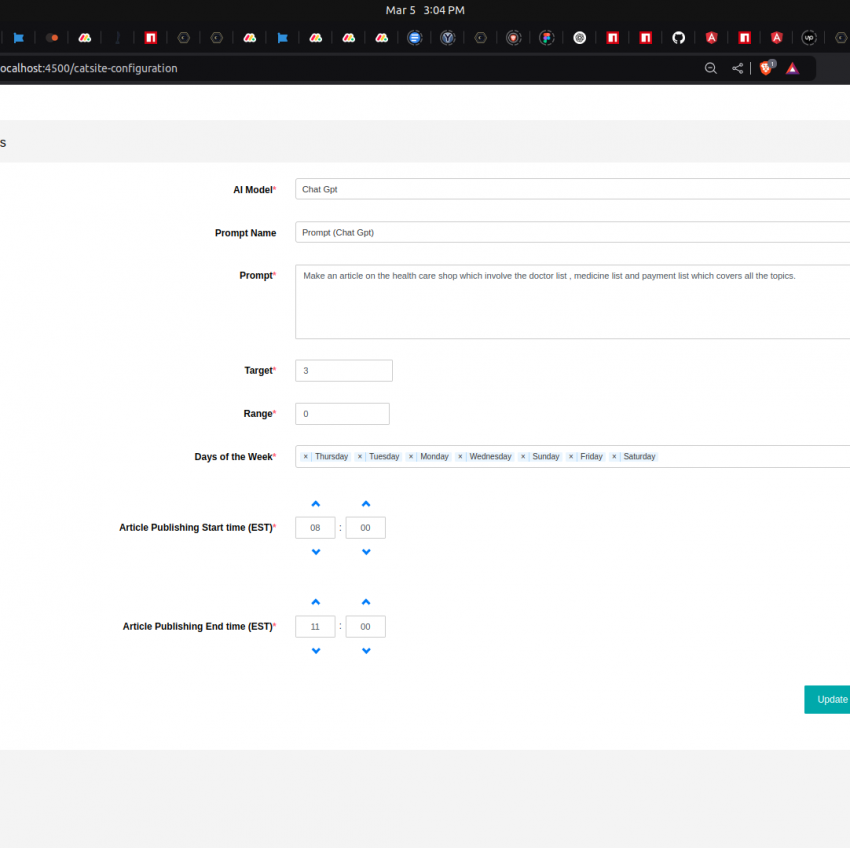
The Importance of Maintaining G****ood Health: A Comprehensive Guide
Maintaining good health is not just about avoiding illness; it’s about achieving a state of physical, mental, and emotional well-being. A healthy lifestyle can increase longevity, improve quality of life, and reduce the risk of chronic diseases. In this article, we’ll explore key aspects of maintaining good health and practical tips to incorporate healthy habits into your daily routine.
1. Balanced Nutrition
A balanced diet is the cornerstone of good health. It provides the body with essential nutrients, vitamins, and minerals needed to function properly. Incorporating a variety of fruits, vegetables, whole grains, lean proteins, and healthy fats into your diet can boost your immune system and support overall wellness. Avoiding processed foods and excess sugar is equally important.
2. Regular Physical Activity
Exercise is beneficial for both physical and mental health. It helps maintain a healthy weight, strengthens the cardiovascular system, improves flexibility, and enhances mood by releasing endorphins. Aim for at least 150 minutes of moderate-intensity exercise per week, such as walking, cycling, or yoga.
3. Mental Health and Stress Management
Mental health is just as important as physical health. Chronic stress can lead to serious health issues, including heart disease and depression. Engaging in mindfulness practices, such as meditation or deep breathing exercises, can help manage stress effectively. Don’t hesitate to seek professional support if needed.
4. Adequate Sleep
Getting enough sleep is critical to maintaining overall health. Quality sleep allows the body to repair and rejuvenate. Adults should aim for 7-9 hours of sleep per night, while children and teenagers need more. Developing a consistent sleep routine can improve both physical and mental performance.
5. Preventive Healthcare
Regular check-ups and screenings can help detect health issues early when they are easier to treat. Vaccinations, dental visits, and eye exams are also important components of preventive healthcare. Taking proactive steps can lead to a healthier and longer life.
6. Staying Hydrated
Water is essential for life. Staying hydrated supports digestion, circulation, temperature regulation, and nutrient transportation. The recommended daily water intake varies, but a general rule is to drink at least 8 glasses of water per day, adjusting based on activity level and climate.
Conclusion
Achieving and maintaining good health involves a holistic approach that includes balanced nutrition, regular exercise, mental well-being, sufficient sleep, preventive care, and staying hydrated. By making small, consistent changes in your lifestyle, you can enjoy the benefits of a healthier, happier life. Remember, health is wealth!