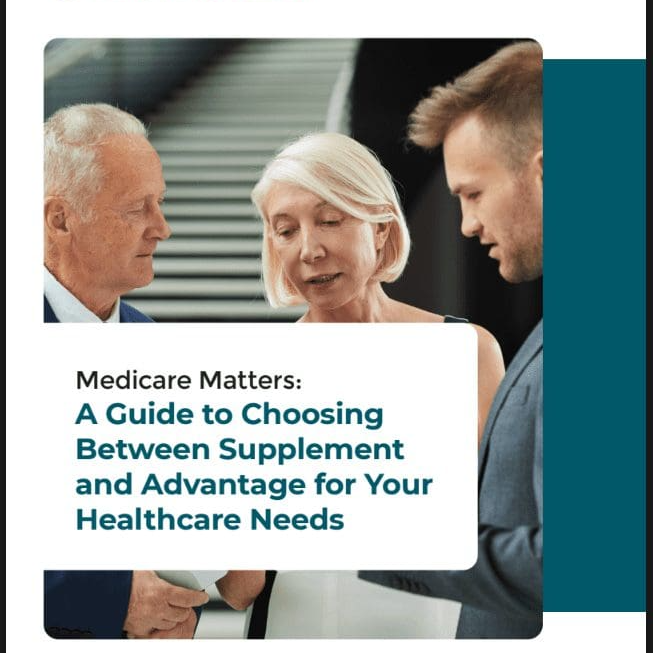
Key Takeaways:
- Understanding health insurance terms is essential for making informed decisions.
- Maximizing your health insurance benefits requires careful planning and knowledge.
Navigating Health Insurance Made Simple: A Consumer’s Guide
In today’s ever-evolving healthcare landscape, understanding health insurance is crucial. With various policies available, knowing the ins and outs of health insurance options can feel like an overwhelming task. However, it doesn’t have to be. This guide aims to simplify health insurance concepts while providing actionable tips to navigate the insurance system effectively.
Why Understanding Health Insurance is Important
Health insurance is a form of coverage that helps manage the costs associated with healthcare. Without proper understanding, consumers are at risk of incurring high out-of-pocket expenses, facing denied claims, or failing to maximize their insurance benefits. With the right information, individuals can make enlightened choices that align with their health needs and financial situation.
Choosing the Right Health Insurance Plan
When it comes to selecting a health insurance policy, there are several factors to consider: your personal healthcare needs, budget constraints, and the types of coverage available out there.
-
Assess Your Healthcare Needs: Start by evaluating your and your family’s healthcare requirements. Do you have any existing conditions that require regular treatments? Are you expecting to undergo any upcoming medical procedures? Understanding your needs will help you filter through the options.
-
Review Available Plans: Not all health insurance plans are created equal. There are various plans, including Health Maintenance Organizations (HMOs), Preferred Provider Organizations (PPOs), and Exclusive Provider Organizations (EPOs). Each comes with unique networks of providers and cost structures. Understanding these differences will influence your choice significantly.
-
Understand Key Terms: Terms like premium, deductible, copayment, and out-of-pocket maximum can often feel confusing. A premium is the monthly fee paid for insurance coverage. The deductible is the amount a policyholder must pay out-of-pocket for healthcare services before the insurance kicks in. Copayments are set fees that you pay for certain services, such as a doctor’s visit. Finally, the out-of-pocket maximum is the most you will pay in a policy term, after which the insurance covers 100% of your costs.
How to Effectively Navigate the Enrollment Process
Open enrollment is the designated period during which individuals can enroll in or change their health insurance plans. Here are some tips to ensure a smooth enrollment process:
-
Start Early: Give yourself plenty of time to familiarize yourself with the available options. Many people wait until the last minute, resulting in rushed decisions that may not serve them well.
-
Utilize Online Resources: Most insurance providers offer insightful information online. Take advantage of comparison tools and resources that describe each plan’s coverage features.
-
Engage with a Trusted Professional: Don’t hesitate to reach out to trusted advisors or consultants. These professionals can offer personalized assistance and answer any lingering questions you may have.
Common Misconceptions About Health Insurance
Many individuals harbor misconceptions about health insurance that can hinder effective navigation:
-
“I Only Need Coverage When I’m Sick”: This belief can lead people to forgo crucial preventive services, driving up costs in the long run. Preventive care, such as routine check-ups and screenings, is often covered without copayment or deductible fees.
-
“All Plans Cover the Same Services”: Not all health insurance plans provide the same level of coverage for services. Always review the plan details, including what’s covered and what isn’t, to avoid unexpected medical bills.
What’s Covered Under Most Health Insurance Plans?
Health insurance plans generally cover a range of services. While specifics vary, essential components include:
- Preventive Services: Routine check-ups, vaccinations, and screenings.
- Hospitalization: Coverage for inpatient hospital stays.
- Prescription Drugs: Assistance with the cost of medications.
- Emergency Care: Services provided in emergency room settings.
- Rehabilitation Services: Support following a medical issue or injury.
Maximizing Benefits with Your Health Insurance
Once you’ve enrolled, the next step is maximizing your benefits. Here are strategies to achieve that:
-
Stay In-Network: Using providers within your health plan’s network can help minimize costs. Out-of-network services often result in higher fees.
-
Understand Your Benefits: Familiarize yourself with your insurance card and benefits summary. Knowing what’s covered and how to access services can save time and frustration later.
-
Make Use of Preventive Services: Take advantage of covered preventive services. These appointments help you detect potential illnesses early, saving you money and time in the future.
How to File a Claim
Should issues arise requiring you to file a claim, follow these steps:
- Understand the Procedure: Review your insurance company’s website or get in touch with customer service to understand the claims process.
- Gather Necessary Documents: Collect all required paperwork including receipts, provider statements, and records of any communication with the healthcare provider.
- Submit Promptly: Aim to submit your claim shortly after receiving care to avoid complications or late fees.
Final Thoughts
Navigating the world of health insurance doesn’t have to be daunting. By understanding key terms, assessing your needs, exploring available options, and knowing how to maximize your benefits, you can effectively manage your health coverage. With the right strategies, health insurance can serve as a valuable ally in maintaining your health and wellbeing.